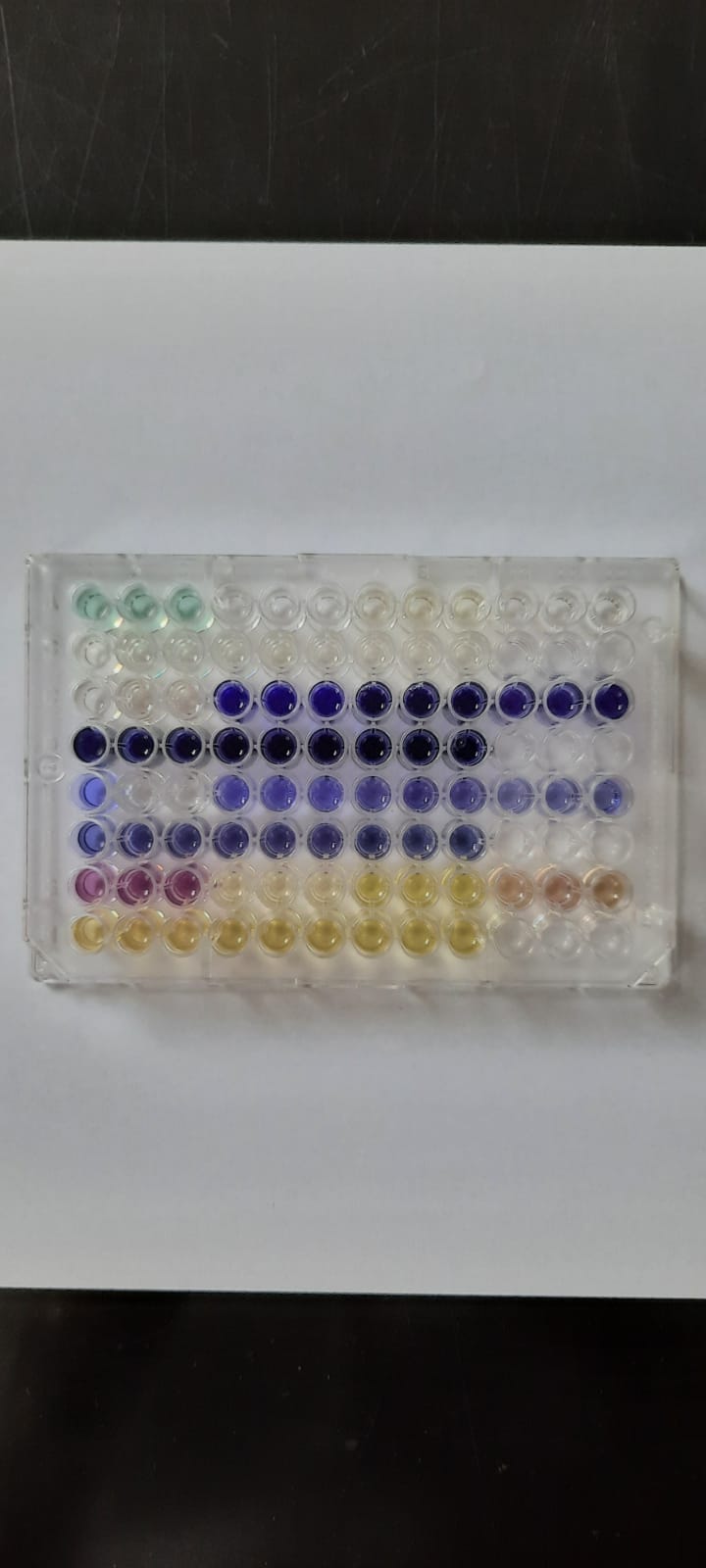
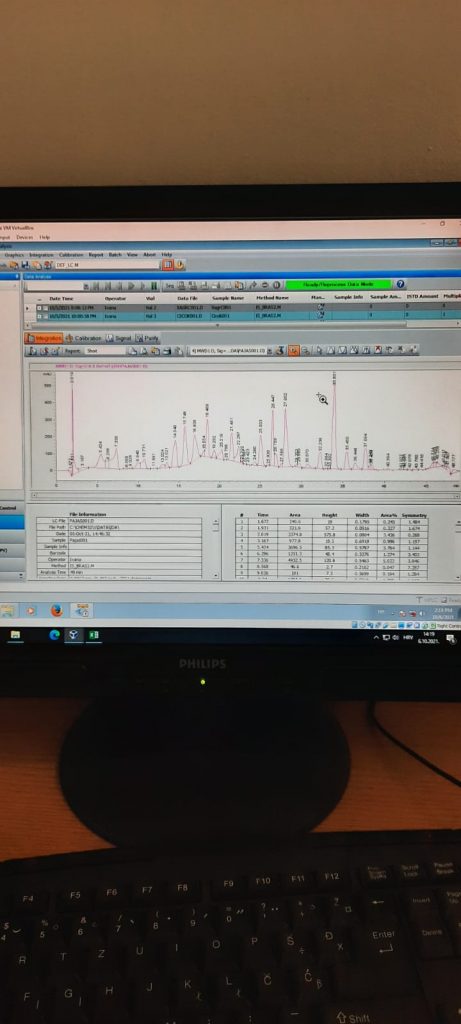
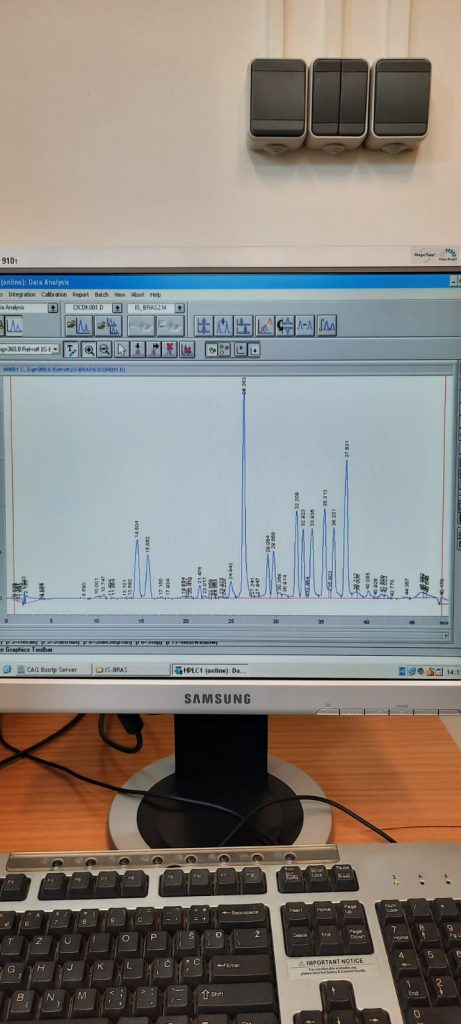
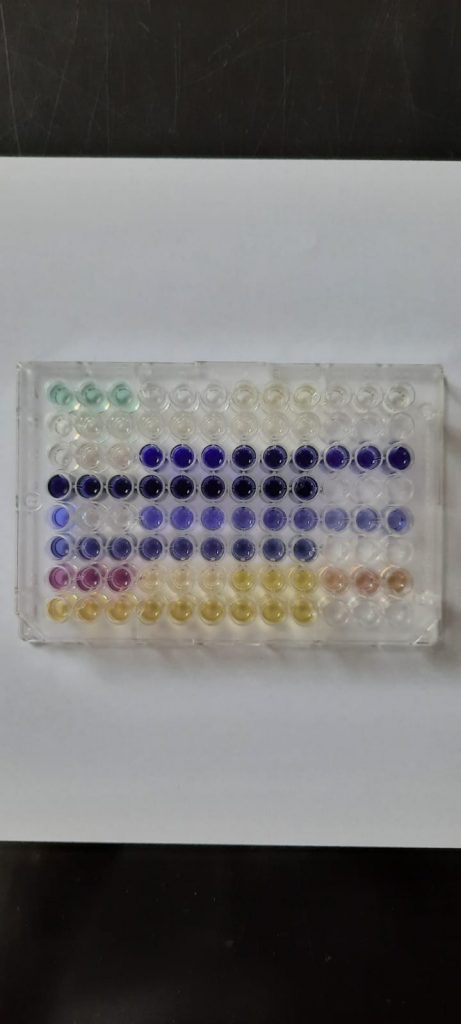
In the laboratory of the Faculty of Science, our associate dr.sc. Ivana Šola and postdoctoral student dr.sc. Ida Linić, performed the first preliminary HPLC chemical profiling of extracts and fractions of invasive plant species: Black locust, Jerusalem artichoke, Tree of heaven and Canadian goldenrod.
The results are already promising and we can’t wait for further analyses!
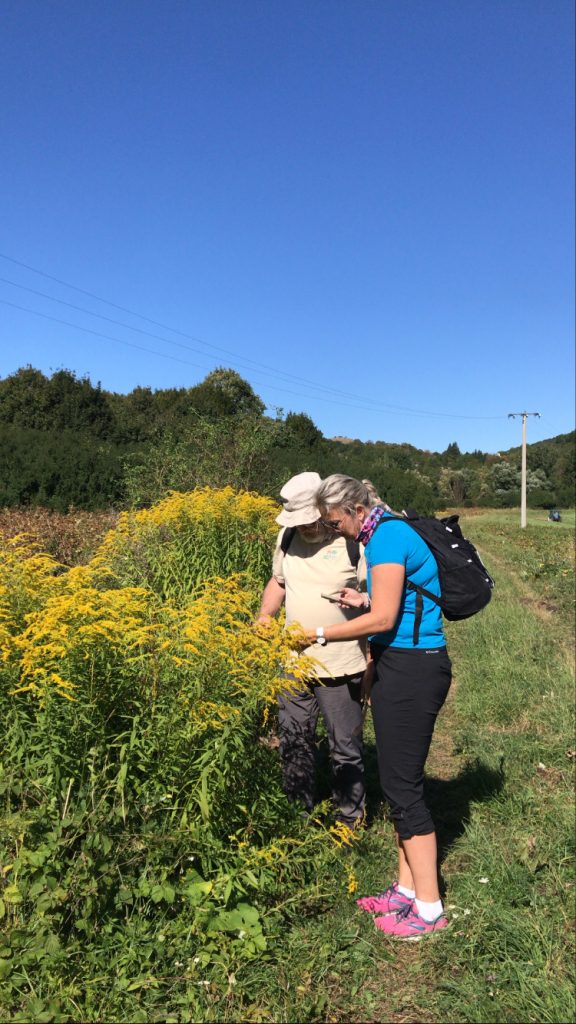
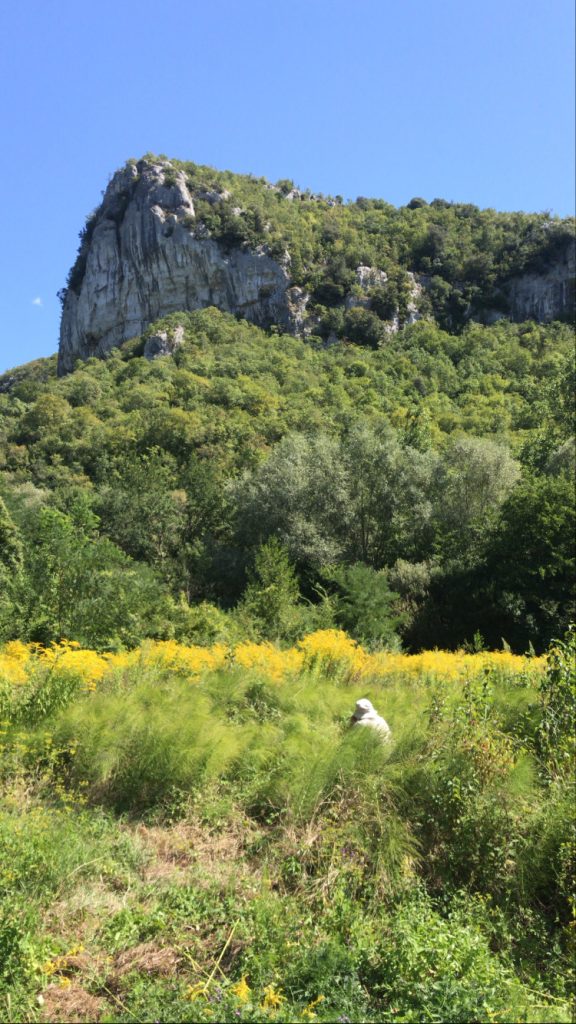
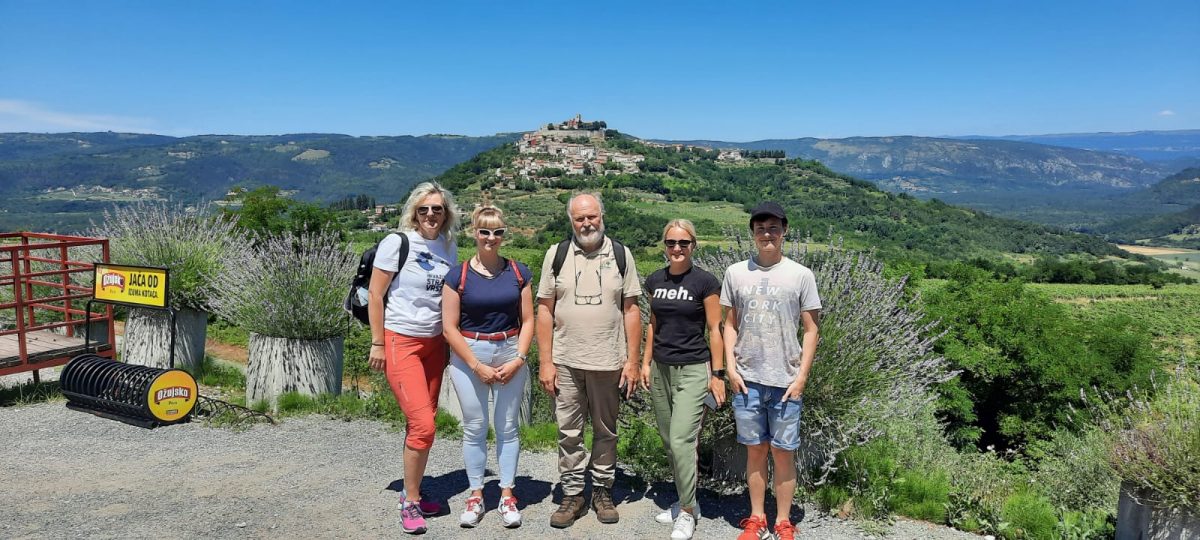
Solidago canadensis L. (Canadian goldenrod) is one of the species we are investigating in the project. Since now is the optimal period for sampling, we continued with the fieldwork. We are already a well-established team, and with the help of our botanist Slavko Brana, everything is going smoothly. We are hardworking students, but the key point is that Slavko knows each plant individually.
Mirela Uzelac is a new member of our project team. From September the 1 st, she has been employed as PhD student on the project. Mirela will focus on determining the biological activity of extracts and fractions of four alien invasive plant species that we study in the project.
It all started in the 18th century when the tree of heaven (Ailanthus altissima (Mill.) Swingle) was imported into Europe as an ornamental tree. Once an exotic addition to high society, the garden has started spreading like a wildfire which needs to be controlled. We know that the best way to stop a fire is to take advantage of its attributes – to fight fire with fire- and that’s what our research plans on doing; taking advantage of the plants’ natural abilities to make them an asset. And this is where our NATURALLY story begins.
We invite everyone to read the whole story on the website of the Croatian Science Foundation at the link!
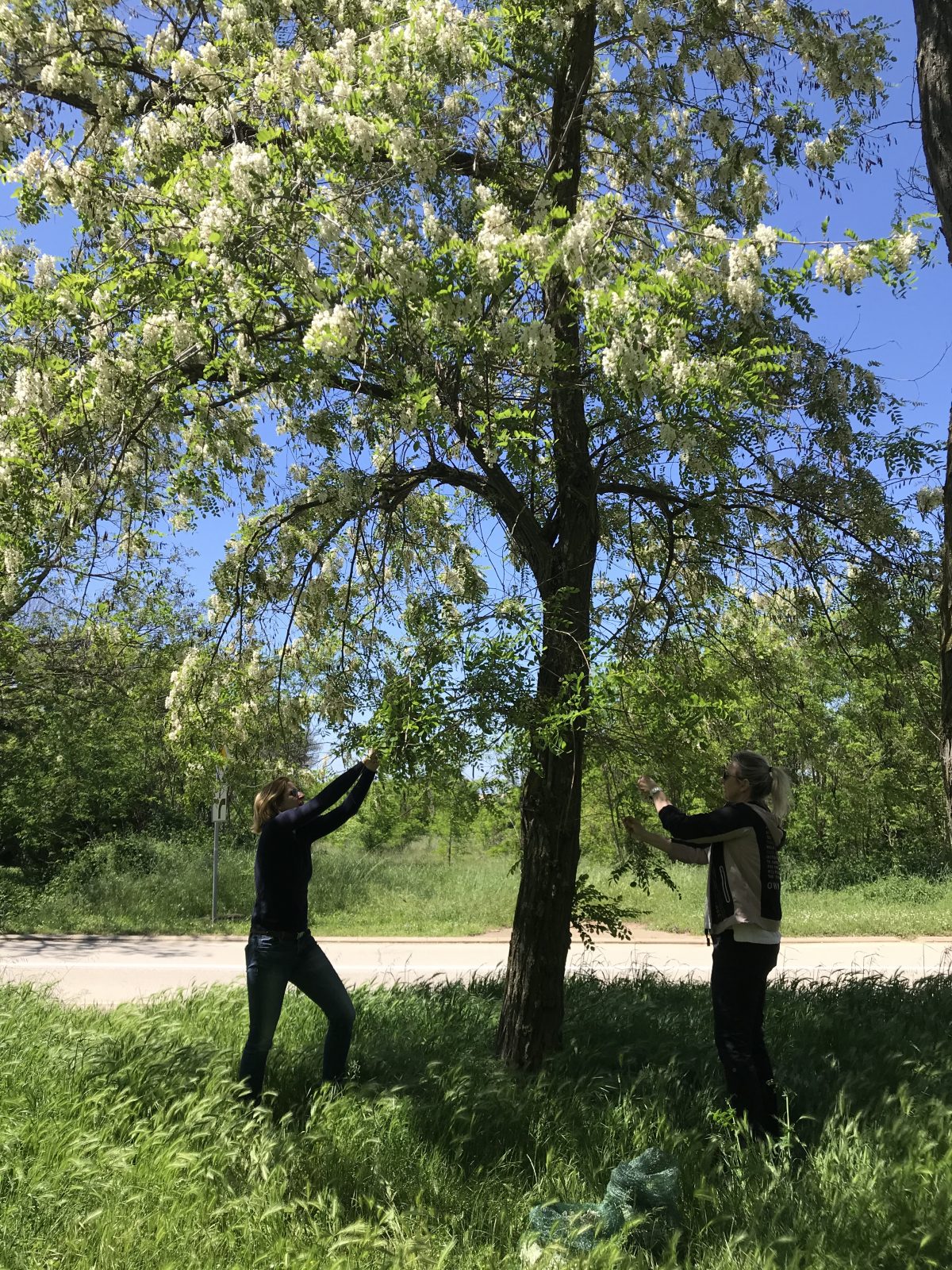
It is time for a sampling of the second of four invasive plant species that are the subject of the project investigation. Our advisor, a botanist of the Istrian Botanical Society, said the following: “Tree of heaven (A. altissima) is just in the right phase for our needs!” So, we didn’t waste time! Despite the hot summer day, we visited several central, eastern and northern Istria locations, which will be soon followed by a tour of southern and western Istria. Because, believe it or not, we are most efficient at operating temperatures above 30 °C ☺
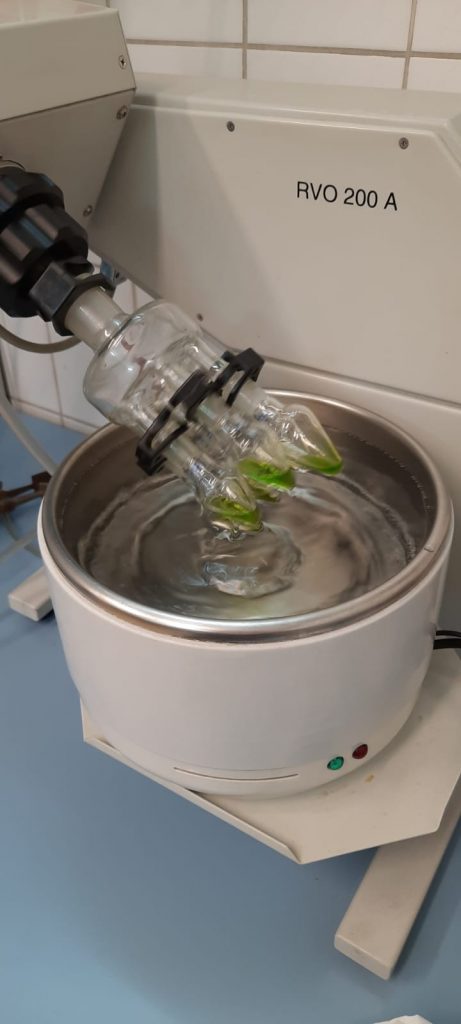
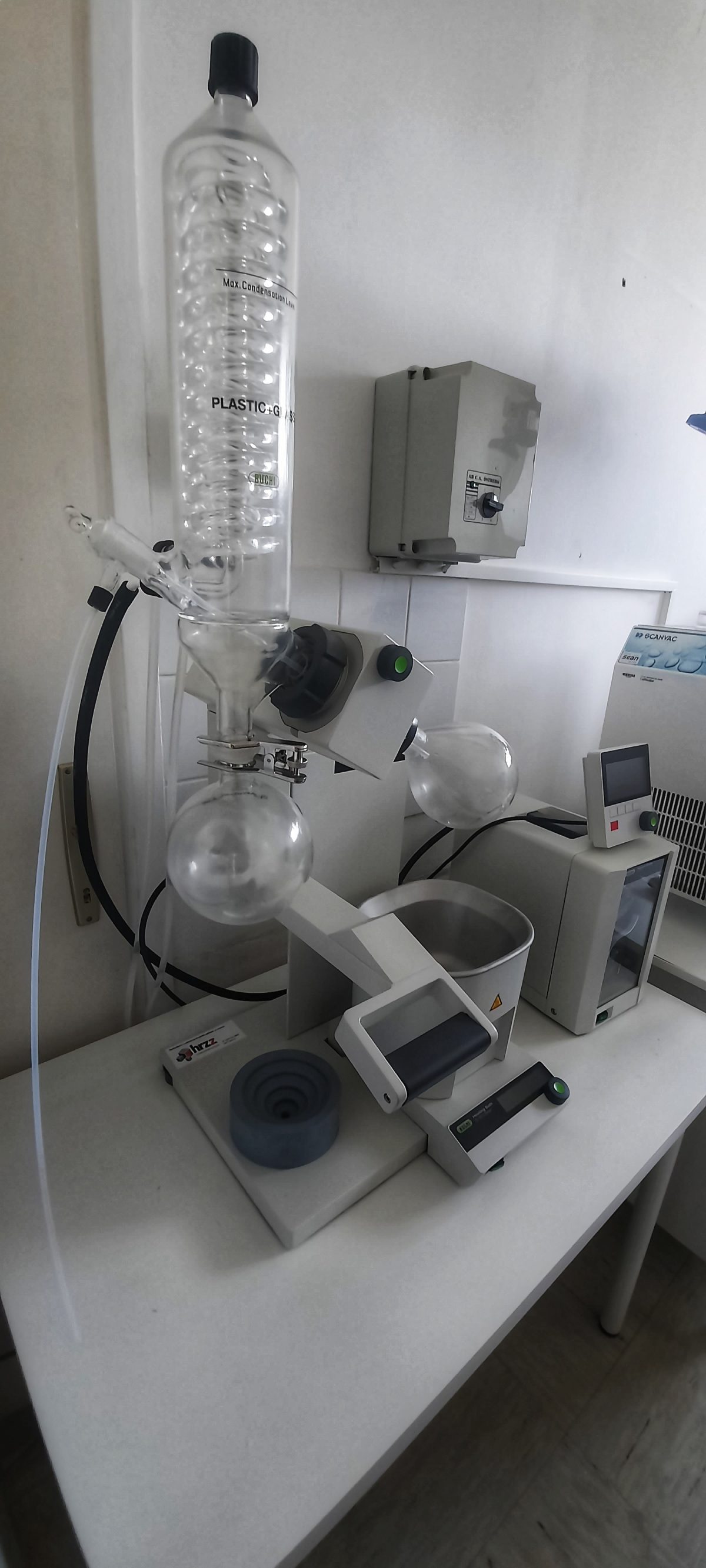
We also installed the second part of the equipment provided by the project. Rotavapor was put into operation, quality control and user training were performed. We are especially pleased to use the new equipment as much as possible. That is why the previously installed mill is already in full operation!
Sampling is the starting point for all the analyzes that follow. Samples should be well selected, collected and prepared. To this end, we developed protocols and went to the field. We collect samples of R. pseudoacacia leaves and flowers from several locations in Istria, air-dry them, sheltered from light, and prepared and stored until the planned analyzes.
Today, the first part of the equipment was installed in the laboratory, the purchase of which is foreseen in the project budget. A mill for the preparation of plant material samples was installed and tested. The sampling time is approaching and the mill will soon be in intensive use!
Dr. sc. Ida Linić is a new member of our project team, employed as a postdoctoral student on the project. We look forward to reinforcements!
Dr. Linić will participate in all activities of the project, with a focus on the chemical profiling of extracts and fractions of the four foreign invasive plant species we study in the project.
Welcome Ida!
Ida Linić
Postdoctoral student, Institute of Agriculture and Tourism
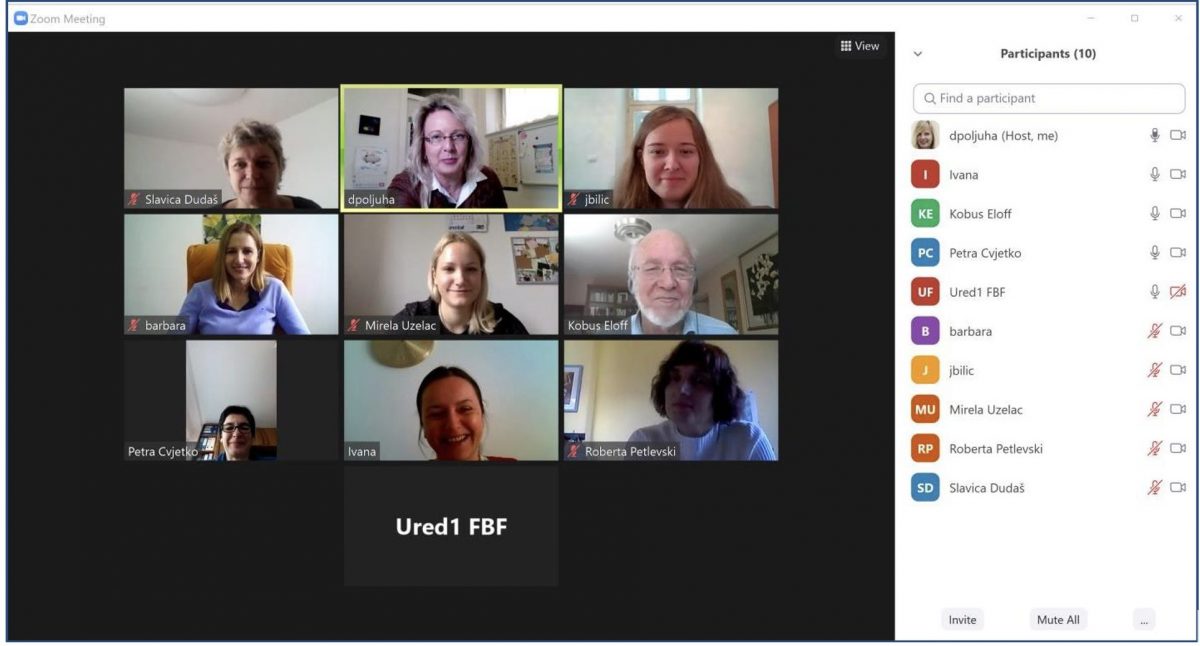
on Tuesday, February 23, 2021, a virtual Kick off meeting of the project “Nature as an ALLY: Alien invasive plants as phytopharmaceuticals was held.
The meeting was attended by associates from the Faculty of Pharmacy and Biochemistry and the Faculty of Science, University of Zagreb, Polytechnic of Rijeka, METRIS Materials Research Center, University of Pretoria (JAR) and the Institute of Agriculture and Tourism.
The aim of the meeting was to get to know each other and connect associates, present the project and agree on further steps and phases of project implementation.
Project leader, Ph.D. Danijela Poljuha from the Institute of Agriculture and Tourism at the beginning briefly presented the structure of the project team, which includes 9 institutions from three countries – Croatia, Slovenia and South African Republic. After that, all collaborators introduced themselves briefly and a presentation of the project followed. During the meeting, the basic goals and important elements of the project were highlighted and the way of communication and organization of work was agreed.
The next associate meeting is scheduled for September 2021.